Power Structures in Art Criticism
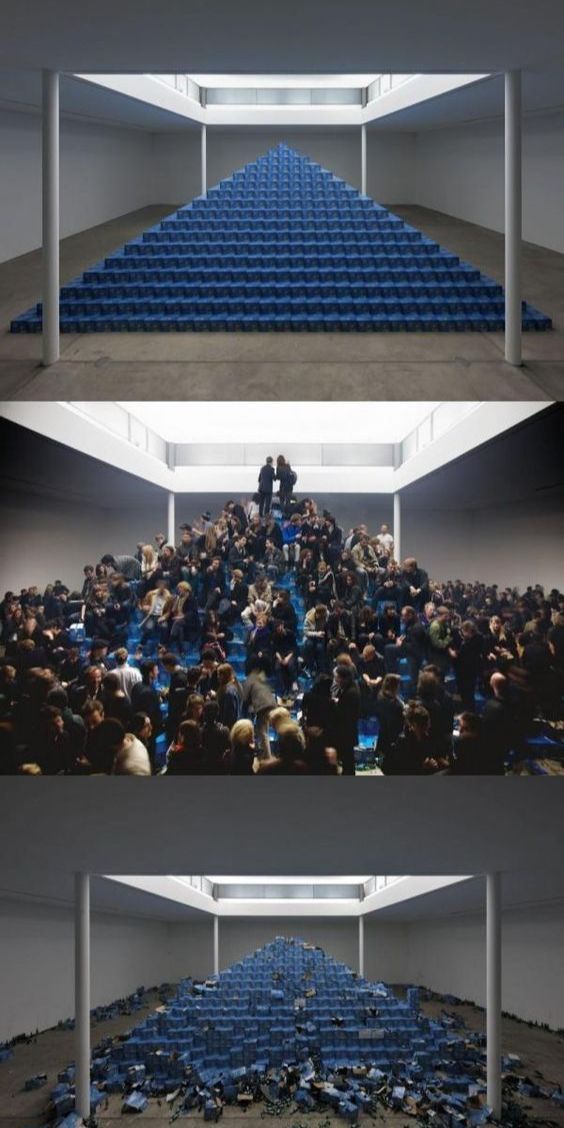
Art criticism does not exist in isolation. Critics operate within institutions such as museums, galleries, academic departments, and media outlets. These institutions hold significant power in determining which artists and works receive attention and legitimacy.
Detailed Cases:
l Dadaism and Surrealism: Early avant-garde movements were marginalized in Paris and Berlin because they challenged bourgeois and nationalist values.
l Museum Canon Formation: The Metropolitan Museum of Art and other major institutions historically favored European male artists, shaping the “art historical canon.”
l Cold War Abstract Expressionism: American institutions promoted Abstract Expressionism as a cultural symbol against Soviet collectivism.
·
References:
1. Crane, D. (1987). The Transformation of the Avant-Garde. Chicago: University of Chicago Press.
2. Carrier, D. (1995). Principles of Art History Writing. New Haven: Yale University Press.
3. O’Doherty, B. (1999). Inside the White Cube: The Ideology of the Gallery Space. University of California Press.
4. Fineberg, J. (1995). Art Since 1940: Strategies of Being. Prentice Hall.
Ideology and Subjectivity
Critics’ ideological positions profoundly shape their interpretation and evaluation of artworks. Feminist, postcolonial, and Marxist critiques highlight biases in traditional “objective” evaluation methods.
Detailed Cases:
·
l Feminist Criticism: Linda Nochlin (1971) challenged gender biases in art history.
l Postcolonial Art Criticism: Critiques of Eurocentric art narratives reveal systemic marginalization of non-Western artists.
l Soviet Socialist Realism: Critics reinforced state ideology by promoting works glorifying labor and socialism, suppressing abstract or experimental art.
·
References:
1. Nochlin, L. (1971). “Why Have There Been No Great Women Artists?” ArtNews.
2. Said, E. (1978). Orientalism. New York: Pantheon Books.
3. Clark, T. J. (1985). The Painting of Modern Life: Paris in the Art of Manet and His Followers. Princeton University Press.
4. White, H. (1987). The Content of the Form: Narrative Discourse and Historical Representation. Johns Hopkins University Press.
Case Studies
1.Soviet Socialist Realism
l Art served ideological functions; deviation led to censorship.
l Criticism reinforced state-approved narratives, shaping public perception.
References: Kenez, P. (2006). A History of the Soviet Union from the Beginning to the End. Cambridge University Press.
2.Abstract Expressionism in Cold War America
l Promoted as cultural proof of democratic freedom.
l Critics participated in ideological framing, intentionally contrasting with Soviet art.
References: O’Connor, F. (1997). The Cultural Cold War. New York: New Press.
3.Dadaism in Early 20th-Century Europe
l Marginalized due to anti-bourgeois and anti-war themes.
l Critics initially dismissed it, later canonized by institutions recognizing its historical significance.
References: Richter, H. (1965). Dada: Art and Anti-Art. London: Thames & Hudson.
Conclusion
Art criticism is inseparable from power and ideology. Institutional influence, political agendas, and cultural biases shape both what is considered valuable and how it is interpreted. Recognizing this interplay encourages more reflective and inclusive approaches to evaluating art.
References Summary:
l Greenberg, C. (1961)
l Bourdieu, P. (1993)
l Nochlin, L. (1971)
l Crane, D. (1987)
l O’Doherty, B. (1999)
l Kenez, P. (2006)
l O’Connor, F. (1997)
l Richter, H. (1965)