The Story of Art
Promoting art sharing

The Art of Seeing Slowly: How Mindful Observation Transforms Museum Visits
This article introduces specific techniques for mindful observation, encouraging readers to move beyond initial impressions and spend extended time with a single artwork.

Edgar Degas: The Calm Precision of an Unsentimental Eye
Edgar Degas: The Calm Precision of an Unsentimental Eye

Banksy: The Artist Who Refused to Sign His Name
Banksy: The Artist Who Refused to Sign His Name

Olafur Eliasson: The Artist Who Makes Us Look Twice
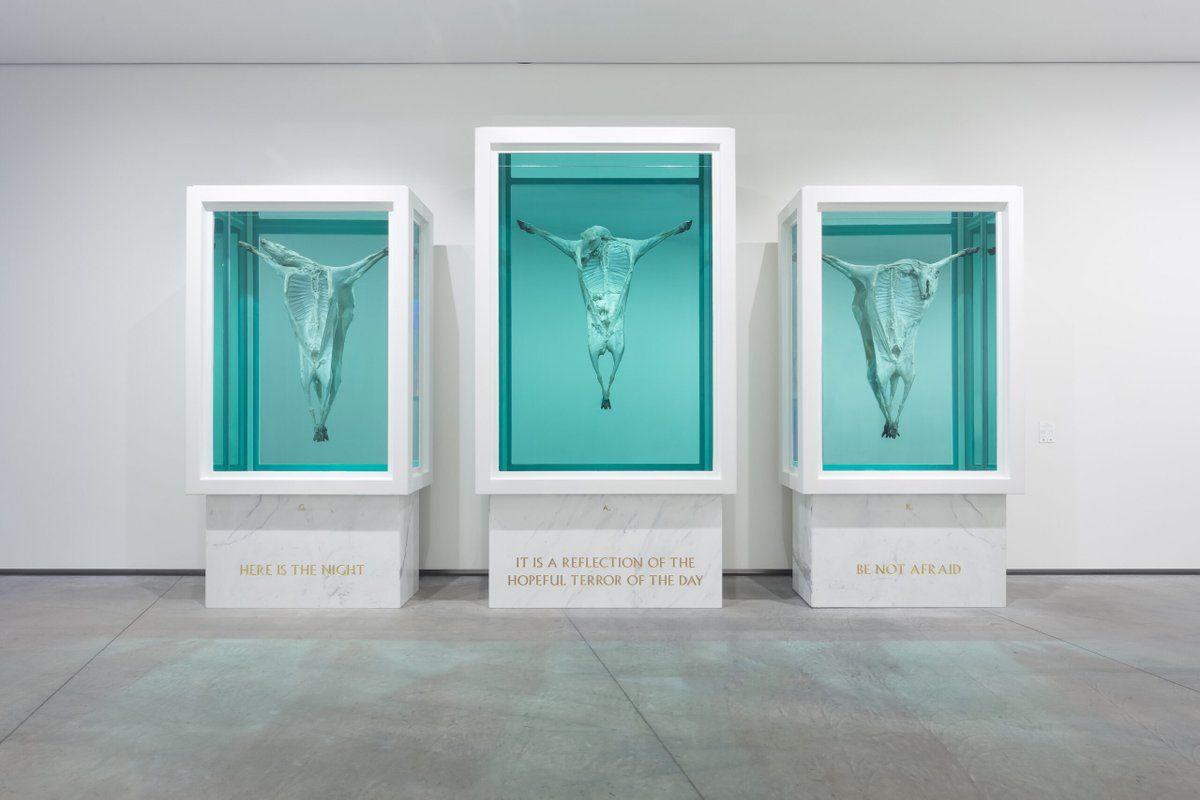
Damien Hirst: The Art of Preserving Death
Between Life, Science, and the Illusion of Eternity What does it mean to confront death when it appears to have been suspended in time? A shark floats motionlessly inside a glass tank. A sheep stands in a transparent chamber, seemingly untouched by the passage of time. A cow and its calf are divided into separate sections, their bodies transformed into objects of clinical observation. Removed from their natural environments, these animals occupy an unsettling space between life and death, beauty and violence, preservation and decay.
View More
Edgar Degas: The Calm Precision of an Unsentimental Eye
Edgar Degas: The Calm Precision of an Unsentimental Eye

Jens Haaning: The Artist Who Literally Took the Money and Ran
This article tells the remarkable story of Danish contemporary artist Jens Haaning and his controversial artwork Take the Money and Run. Commissioned by a museum to recreate earlier works using real banknotes, Haaning instead submitted two blank canvases and kept the money provided for the project. He argued that the act itself was the artwork, serving as a critique of labor conditions, economic systems, and the value society places on art. The article explores the public debate that followed, examining questions about artistic freedom, contracts, creativity, and what truly gives art its value. Through a humorous narrative, it highlights how a seemingly simple gesture turned into one of the most talked-about stories in contemporary art.

The Hidden Skull: The Secret Behind The Ambassadors
Have you ever looked at a painting and realized it was hiding a secret? The Ambassadors, painted by the German artist Hans Holbein the Younger in 1533, is far more than a portrait of two important men. Filled with scientific instruments, musical objects, and hidden symbols, the painting celebrates the spirit of the Renaissance while inviting viewers to think about life, death, and the importance of perspective. This article explores the fascinating story behind the masterpiece and reveals why its famous hidden skull is much more than a clever artistic trick.