Art history often likes its artists dramatic, but Edgar Degas never fully agreed to play that role.
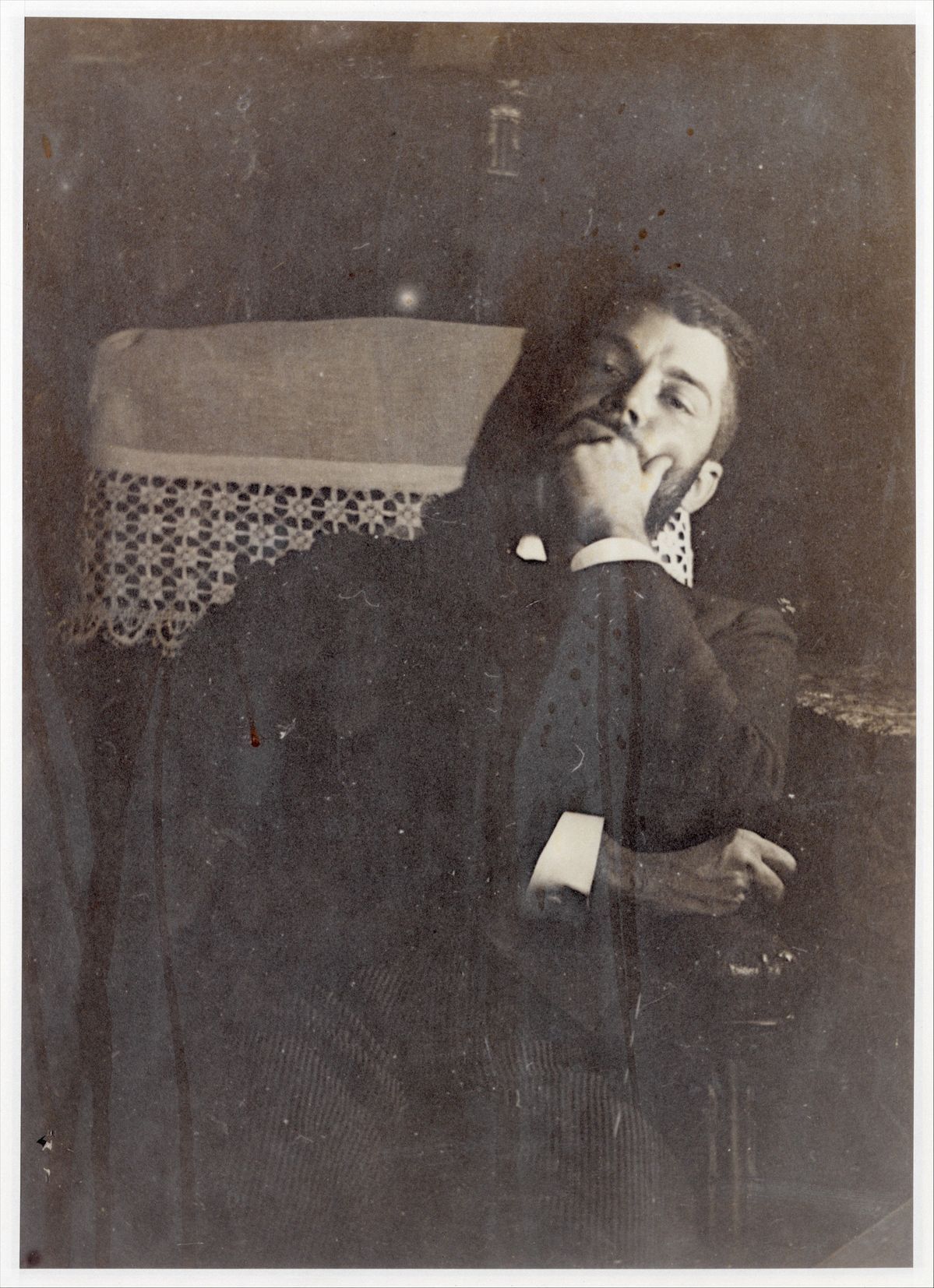 Edgar Degas was born into a wealthy Parisian banking family, a background that gave him something quietly important: time. Time to observe, time to refine, and perhaps most significantly, time to avoid turning artistic ambition into a survival strategy. His privilege did not define his talent, but it did remove urgency from it. As a result, his art feels less like a cry and more like a considered statement delivered at just the right volume.
Although commonly grouped with the Impressionists, Degas was never entirely comfortable with labels, especially those that suggested spontaneity as a guiding principle. He was far more interested in structure, repetition, and controlled glimpses of modern life: ballet rehearsals, laundries, opera houses, and private interiors where people seem briefly unaware they are being observed.
There is a particular kind of charisma in Degas, though it is not immediately warm or inviting. He was famously observant, intellectually sharp, and socially reserved—someone who seemed to process the world slightly faster than the conversation around him. One might imagine him in a café, not as a participant in social exchange, but as a quiet editor of human posture, mentally adjusting angles and gestures the way another artist might adjust brushstrokes.
What defines his work most clearly is distance—not emotional coldness, but deliberate restraint. Degas does not idealise his subjects, nor does he expose them with cruelty. His dancers are not ethereal symbols; they are workers stretching, resting, adjusting their bodies under physical strain. His portraits neither flatter nor condemn. They simply observe with precision, as if emotion has been carefully filtered rather than removed.
This emotional moderation is also what makes Degas unusually stable in art history. He is rarely the subject of extreme reactions. Few viewers adore him blindly, and equally few reject him outright. Instead, he occupies a space of measured appreciation—admiration shaped more by recognition than by emotional intensity.
His privileged upbringing contributes subtly to this tone. Freed from economic pressure, Degas could treat observation as a disciplined practice rather than an act of necessity. This may explain the controlled intelligence of his compositions, where even moments that appear casual are quietly structured, like thoughts revised just enough to avoid excess.
Yet Degas is not without tension. He could be critical, occasionally sharp, and not always socially comfortable. But these traits never escalate into myth or melodrama. They remain grounded in something more believable: the personality of an artist who prefers clarity over sentiment, and observation over performance.
Perhaps the most distinctive quality of Degas is that he resists emotional extremes altogether. He does not invite devotion, nor does he provoke rejection. Instead, he offers a form of engagement that is steady and reflective—where understanding does not require admiration, and attention does not demand emotional surrender.
In the end, Degas’s art feels like a quiet negotiation between distance and intimacy. It does not ask to be loved loudly or dismissed quickly. It simply asks to be seen clearly—and leaves the rest to the viewer.